

Why Choose Trilingual Flashcards for Language Mastery

Learning a new language can be a daunting task, especially when trying to juggle multiple languages at once. However, trilingual flashcards offer a unique and effective solution for language learners. These tools not only enhance vocabulary retention but also provide a comprehensive approach to mastering languages. In this post, we will explore the benefits of using trilingual flashcards, how they can improve your language skills, and practical tips for incorporating them into your study routine.
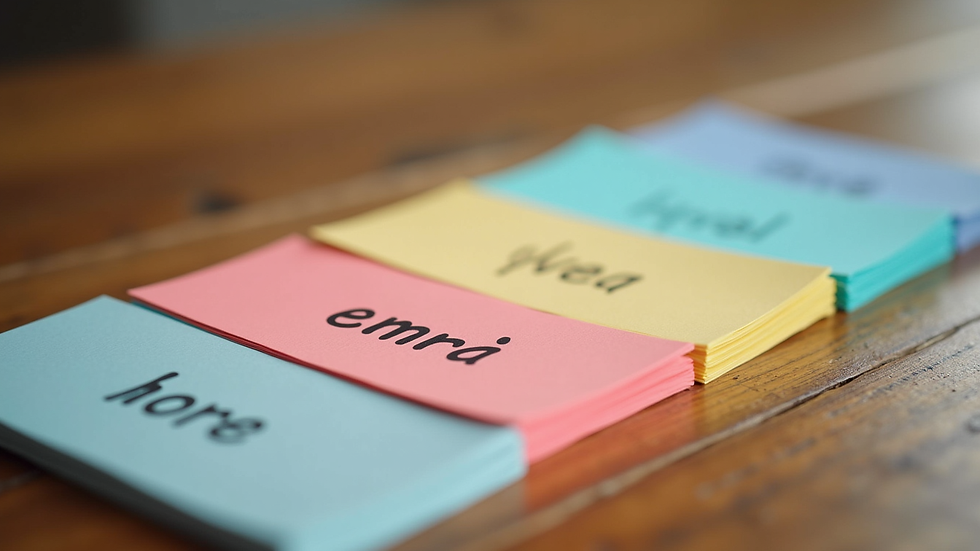
Understanding Trilingual Flashcards
Trilingual flashcards are educational tools that present vocabulary words or phrases in three different languages. This format allows learners to see the connections between languages, making it easier to understand and remember new words. For example, a flashcard might display the word "apple" in English, Spanish, and French, helping learners recognize similarities and differences in vocabulary.
The Structure of Trilingual Flashcards
Typically, trilingual flashcards include:
Word or Phrase: The primary term in the first language.
Translations: The corresponding translations in the second and third languages.
Visuals: Images or illustrations that represent the word, aiding in memory retention.
This structure not only makes learning more engaging but also caters to different learning styles, whether visual, auditory, or kinesthetic.
Benefits of Using Trilingual Flashcards
Enhanced Vocabulary Retention
One of the primary advantages of trilingual flashcards is their ability to enhance vocabulary retention. Research shows that learners are more likely to remember words when they are presented in multiple contexts. By seeing a word in three different languages, learners can create stronger mental associations, making it easier to recall the vocabulary later.
Improved Language Comprehension
Trilingual flashcards also promote better language comprehension. When learners see how words are used in different languages, they can grasp the nuances and cultural contexts associated with each term. This deeper understanding can lead to more effective communication and a greater appreciation for the languages being studied.
Encouragement of Multilingual Thinking
Using trilingual flashcards encourages learners to think in multiple languages simultaneously. This practice can help break down language barriers and foster a more fluid approach to language learning. Instead of viewing languages as separate entities, learners begin to see the connections and relationships between them.
Flexibility in Learning
Trilingual flashcards are incredibly versatile. They can be used in various ways, such as:
Self-Study: Learners can review flashcards independently, focusing on specific vocabulary sets.
Group Activities: Flashcards can be used in group settings for games and collaborative learning.
Digital Formats: Many apps and online platforms offer trilingual flashcards, making them accessible anytime and anywhere.
How to Incorporate Trilingual Flashcards into Your Study Routine
Set Clear Goals
Before diving into your flashcard study sessions, it’s essential to set clear goals. Determine what you want to achieve with your language learning. Are you focusing on vocabulary for travel, business, or everyday conversation? Setting specific objectives will help you choose the right flashcards and stay motivated.
Create Your Own Flashcards
While pre-made trilingual flashcards are available, creating your own can be even more beneficial. This process allows you to tailor the content to your interests and needs. For example, if you are passionate about cooking, you can create flashcards featuring culinary vocabulary in your target languages.
Use Visuals and Context
Incorporate visuals and context into your flashcards. Instead of just writing the word, include images or sentences that demonstrate how the word is used. This approach will help reinforce the meaning and make the learning experience more engaging.
Practice Regularly
Consistency is key when it comes to language learning. Set aside time each day or week to practice with your trilingual flashcards. Short, frequent study sessions are often more effective than long, infrequent ones. Aim for at least 10-15 minutes of focused practice each day.
Mix Up Your Study Methods
To keep your study sessions fresh and engaging, mix up your methods. Use your flashcards for different activities, such as:
Quizzes: Test yourself on the vocabulary without looking at the answers.
Matching Games: Pair words with their translations or images.
Storytelling: Create sentences or short stories using the vocabulary from your flashcards.
Real-Life Applications of Trilingual Flashcards
Travel
If you’re planning to travel to a country where your target languages are spoken, trilingual flashcards can be invaluable. They can help you learn essential phrases for navigating airports, ordering food, or asking for directions. By familiarizing yourself with the language before your trip, you’ll feel more confident and connected to the culture.
Business
In a globalized world, knowing multiple languages can give you a competitive edge in the job market. Trilingual flashcards can help you learn industry-specific vocabulary, making it easier to communicate with colleagues and clients from different linguistic backgrounds. This skill can enhance your professional relationships and open up new opportunities.
Cultural Understanding
Language is deeply intertwined with culture. By using trilingual flashcards, you can gain insights into the cultural contexts of the languages you are learning. This understanding can enrich your language skills and foster a greater appreciation for the diversity of human expression.
Challenges and Solutions
Overwhelm with Vocabulary
One common challenge learners face is feeling overwhelmed by the amount of vocabulary they need to learn. To combat this, focus on a manageable number of words each week. Break down your study sessions into smaller chunks, and gradually increase the complexity as you become more comfortable.
Lack of Motivation
Staying motivated can be difficult, especially when progress feels slow. To maintain your enthusiasm, set small milestones and reward yourself for achieving them. Celebrate your successes, whether it’s mastering a set of flashcards or having a conversation in your target language.
Difficulty in Retention
If you find it hard to retain vocabulary, consider incorporating additional techniques into your study routine. Techniques such as spaced repetition, mnemonic devices, and immersive experiences can enhance your learning and retention.
Conclusion
Trilingual flashcards are a powerful tool for anyone looking to master multiple languages. They offer a unique approach to vocabulary retention, comprehension, and multilingual thinking. By incorporating these flashcards into your study routine, you can enhance your language skills and gain a deeper understanding of the cultures associated with each language.
Start your journey today by exploring trilingual flashcards and discover how they can transform your language learning experience. Whether for travel, business, or personal enrichment, these tools can help you unlock new opportunities and connect with the world around you.
Comments